Streamlining compliance for 10,000+ fleet drivers
TLDR
Problem
Drivers are required to carry specific documents on the road. If these documents are expired, lost, or damaged, both the organisation and the driver could face fines.
Solution
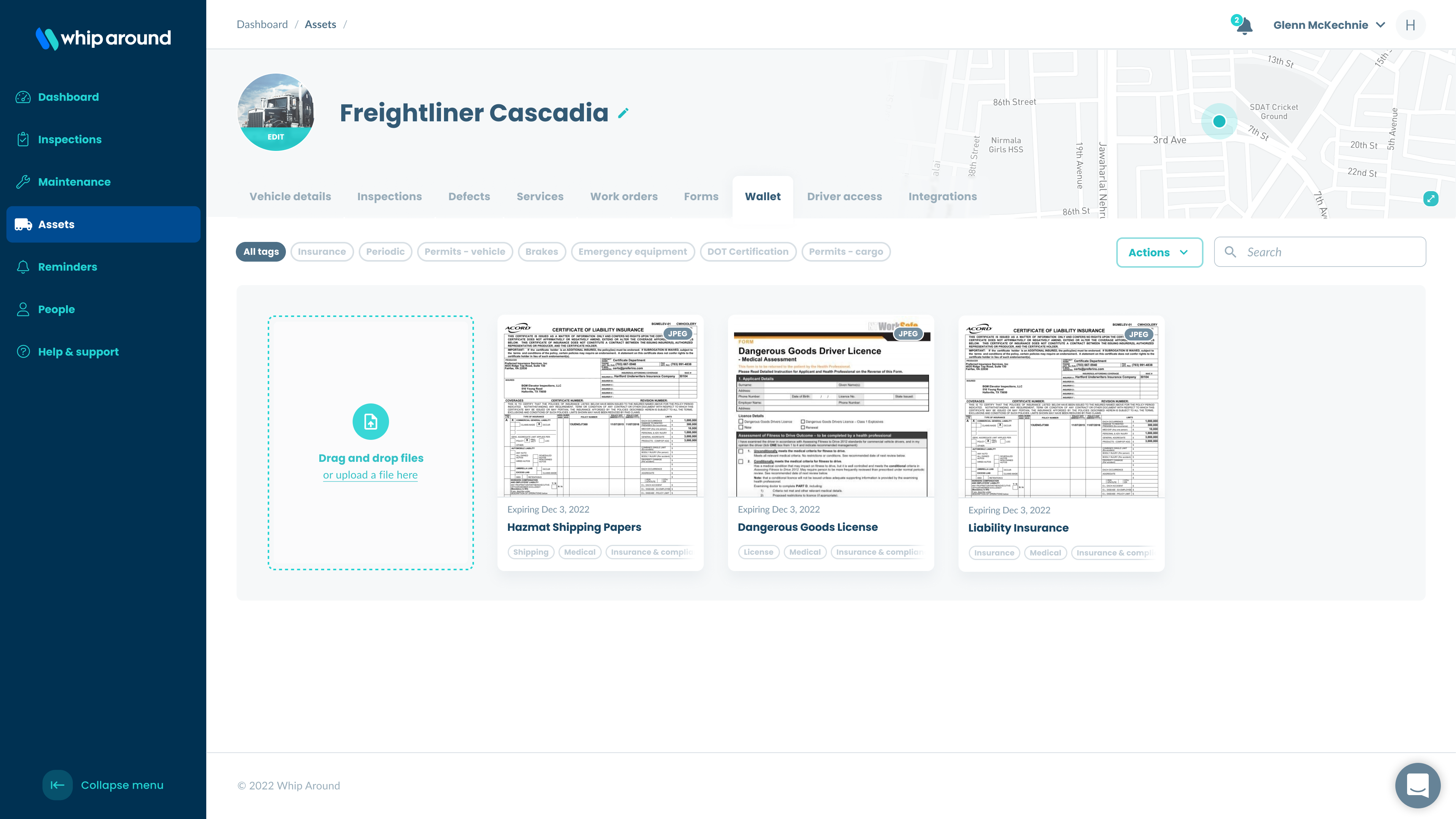
A document management system built for fleets spanning web and native apps.
Outcome
7% revenue growth, Decreased number of violations for fleets
Team / Role
Product Manager, Engineers / Research, testing, product design, design systems.
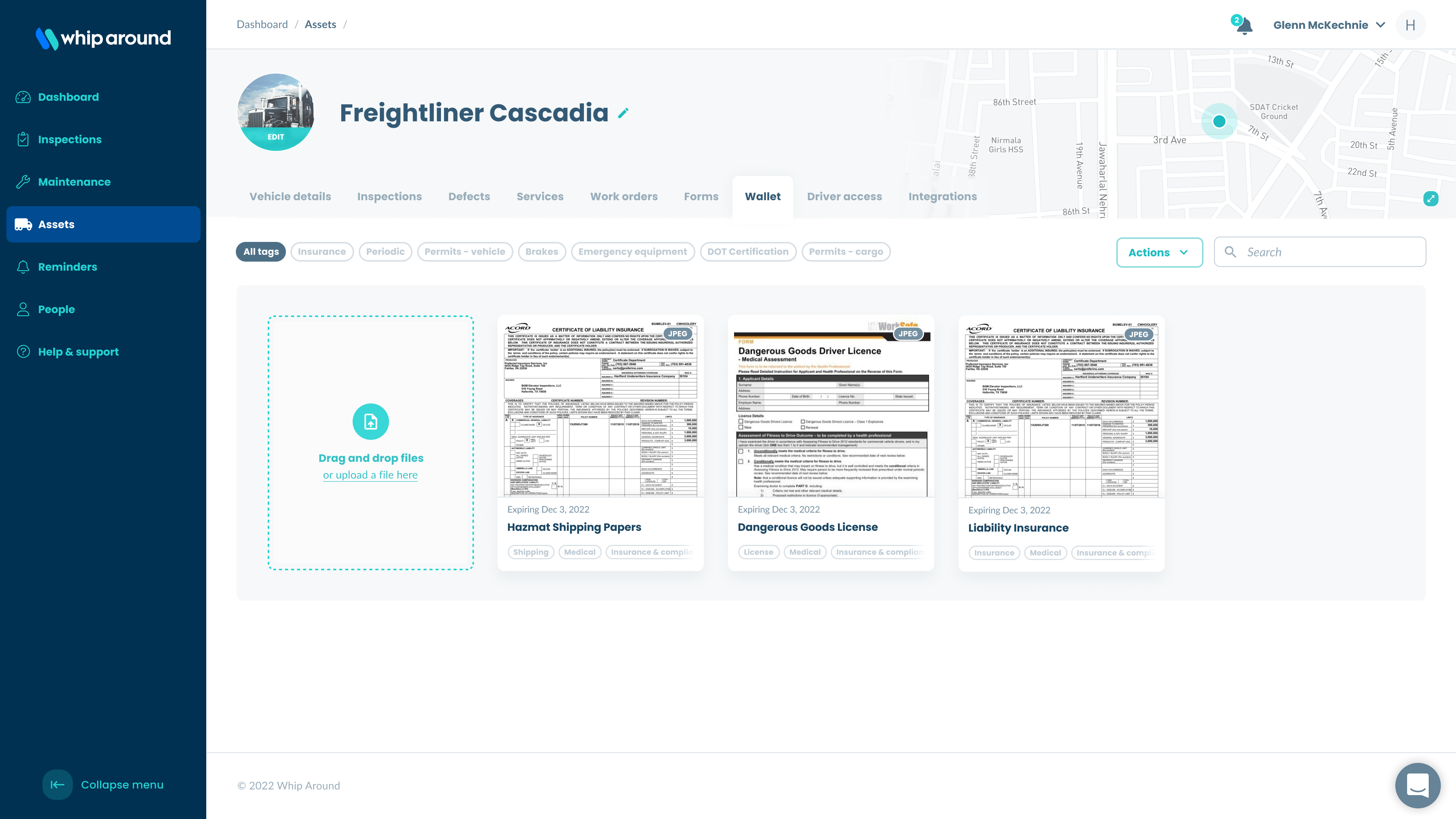
About Whip Around
Whip Around is a USA based fleet maintenance company. The product increases efficiency and compliance in fleets through digital inspections and accountability over the fleet maintenance process.

The problem
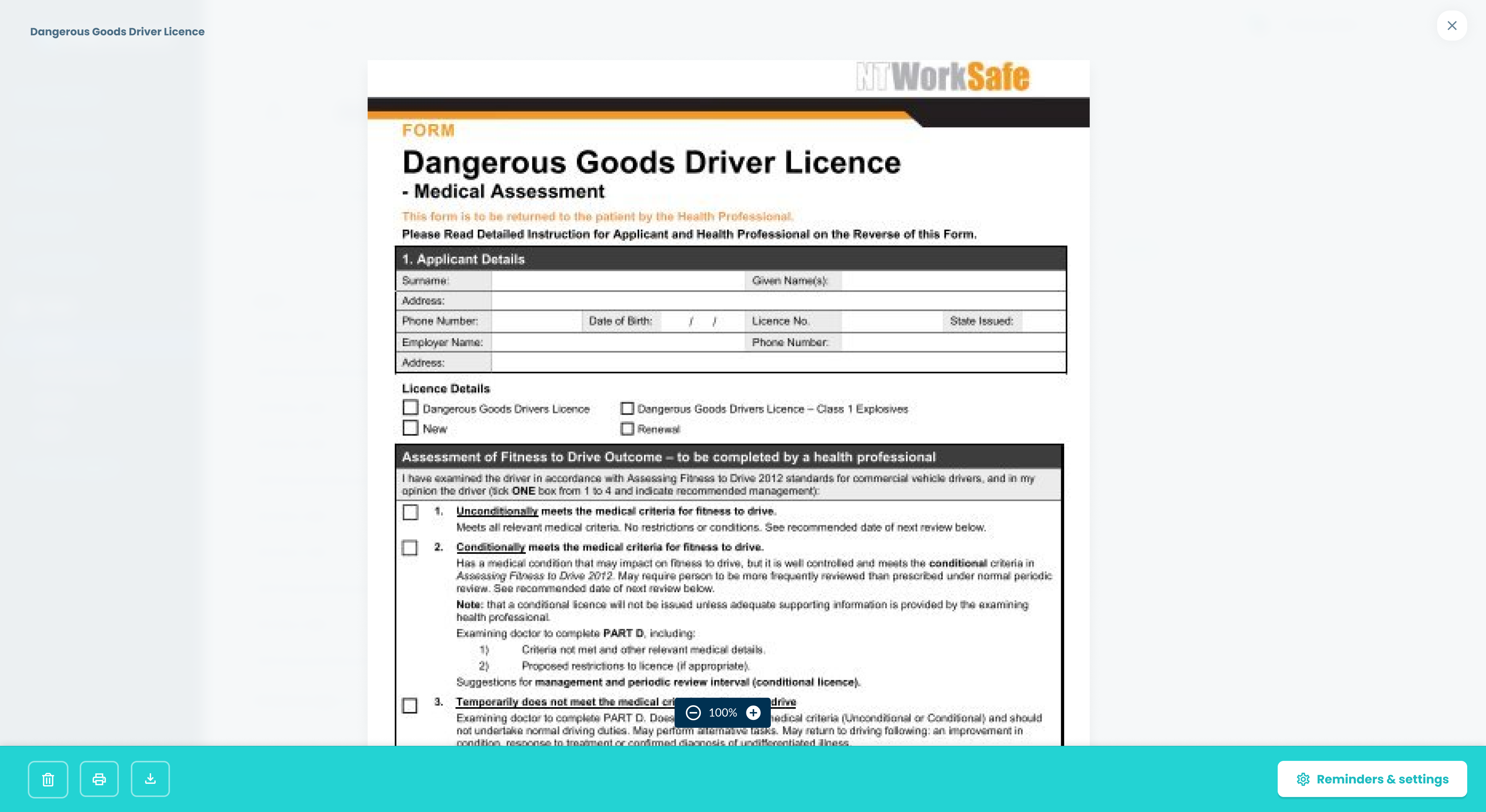
Regulated trucking companies in the USA required their drivers to carry a set of documents at all times. These documents are regularly inspected along with their vehicles when passing through truck stops. Currently these documents are stored as paper copies in physical binders. These documents usually consist of licences, permits and insurance documents.
These documents are required to be renewed periodically, remembering to update these documents is important but can easily be forgotten by the driver or fleet manager.
If these documents expire, get lost, or are damaged, both the organisation and the driver are liable for fines.
"If we don't keep these docs current then our drivers can't drive. It would be a huge help if they (the driver) could show it on their phone"

Key users

Fleet managers
Fleet managers are responsible for the overall operation and maintenance of the fleet. They manage an extensive range of tasks, leading them to be incredibly time poor. They were responsible for ensuring documents are up to date.

Driver
Drivers need to show the documents to enforcement officers while on the road. In some cases, they were responsible for keeping their medical documents up to date.
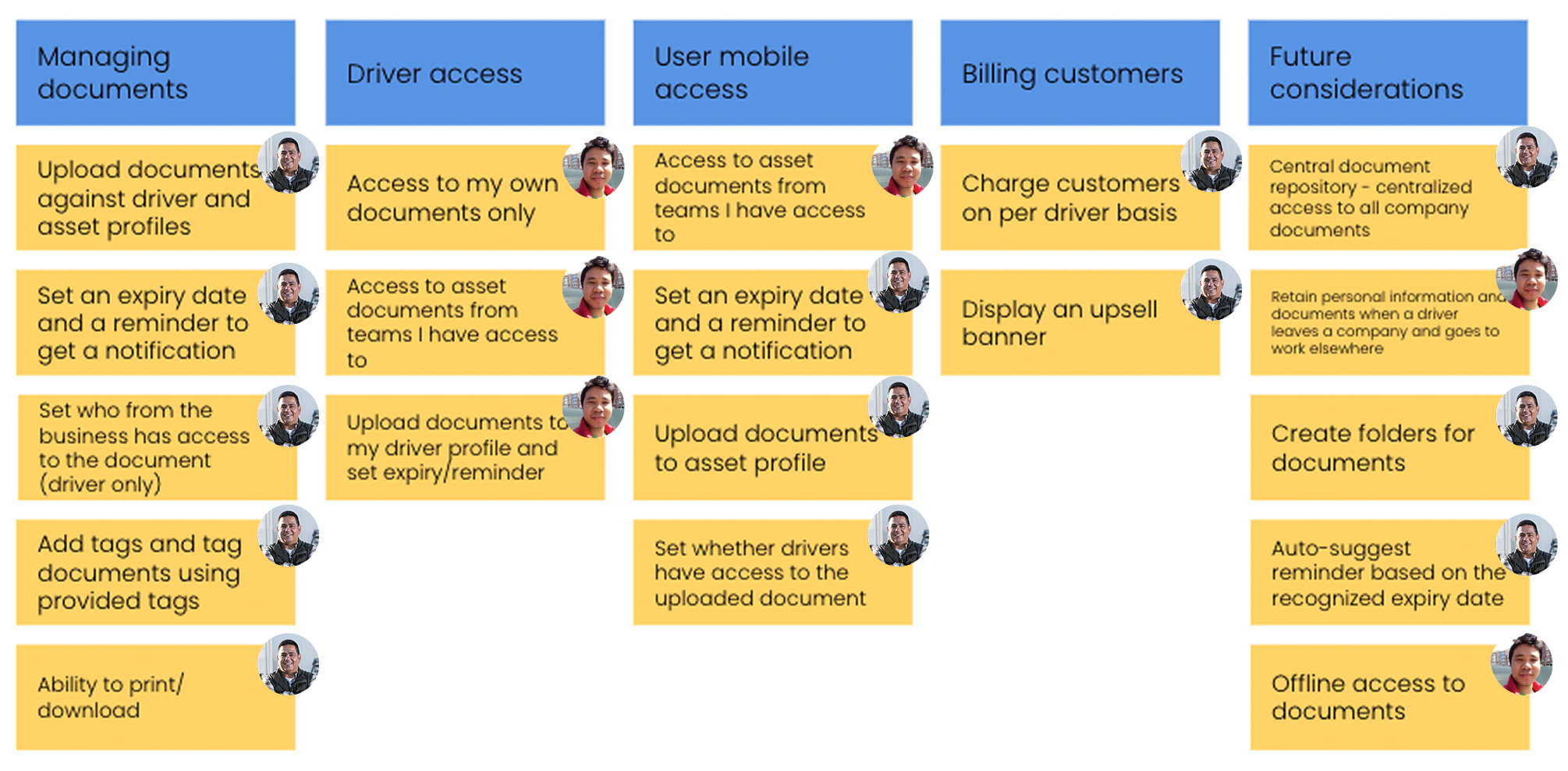
Prototype testing and learnings
We conducted 12 customer interviews with existing Whip Around customers. We wanted to learn if the proposed functionality resonated and was useful for our customers. We also wanted to learn if the UX flow and design was intuitive.
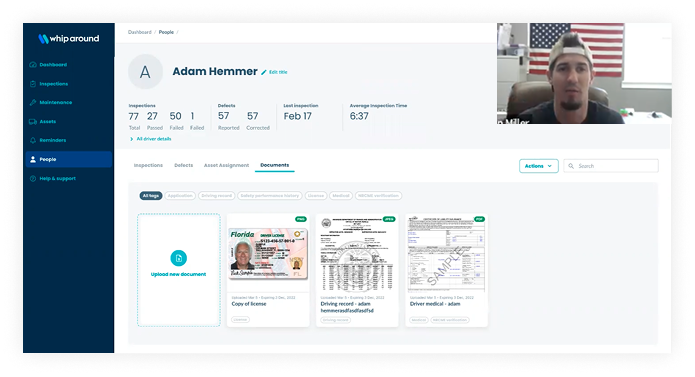
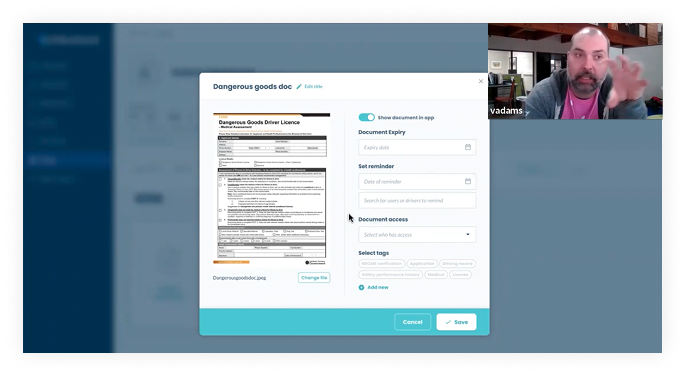
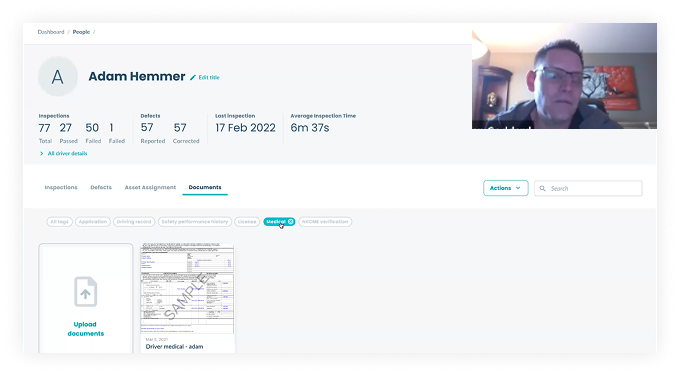
- Time consuming
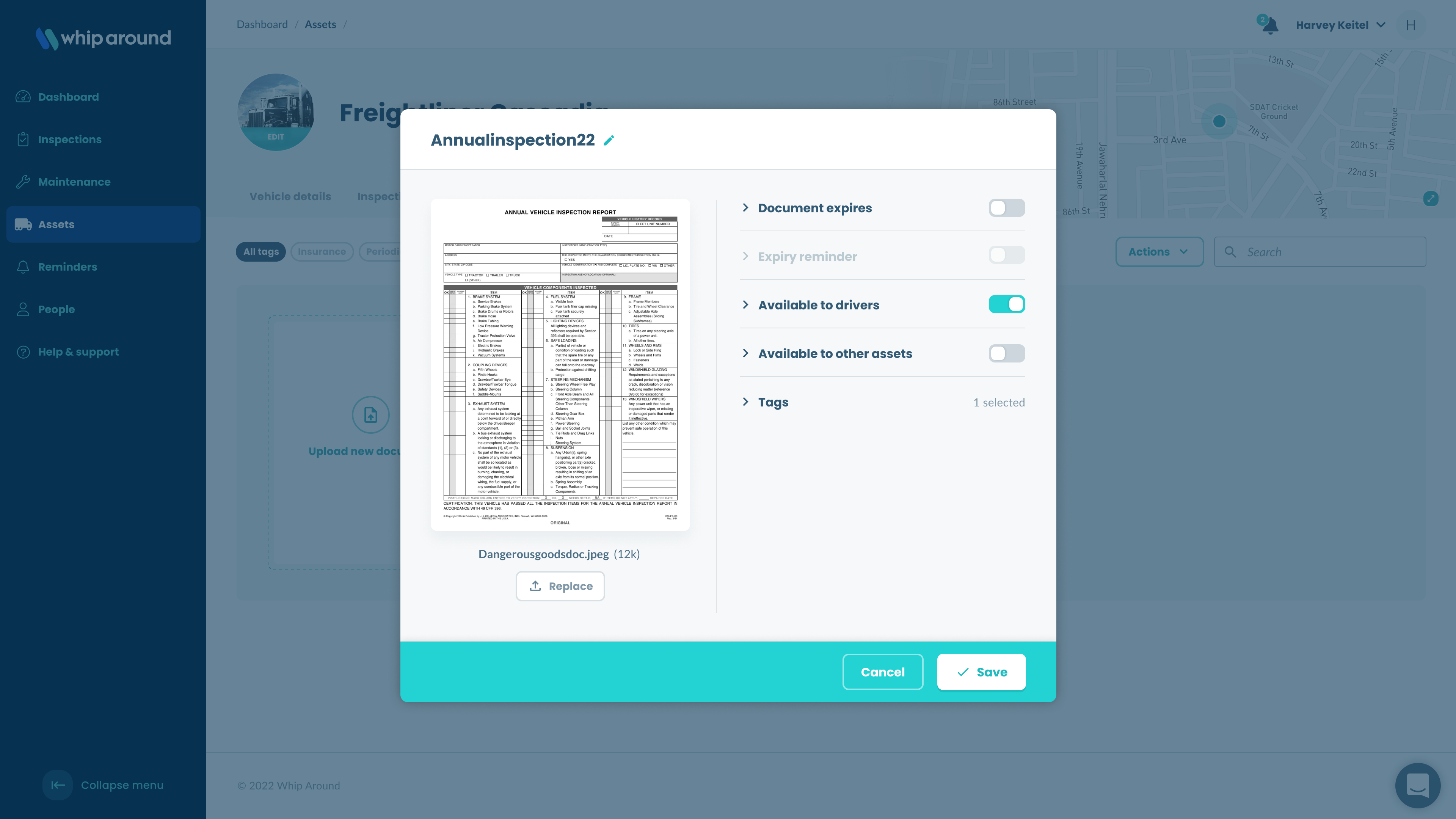
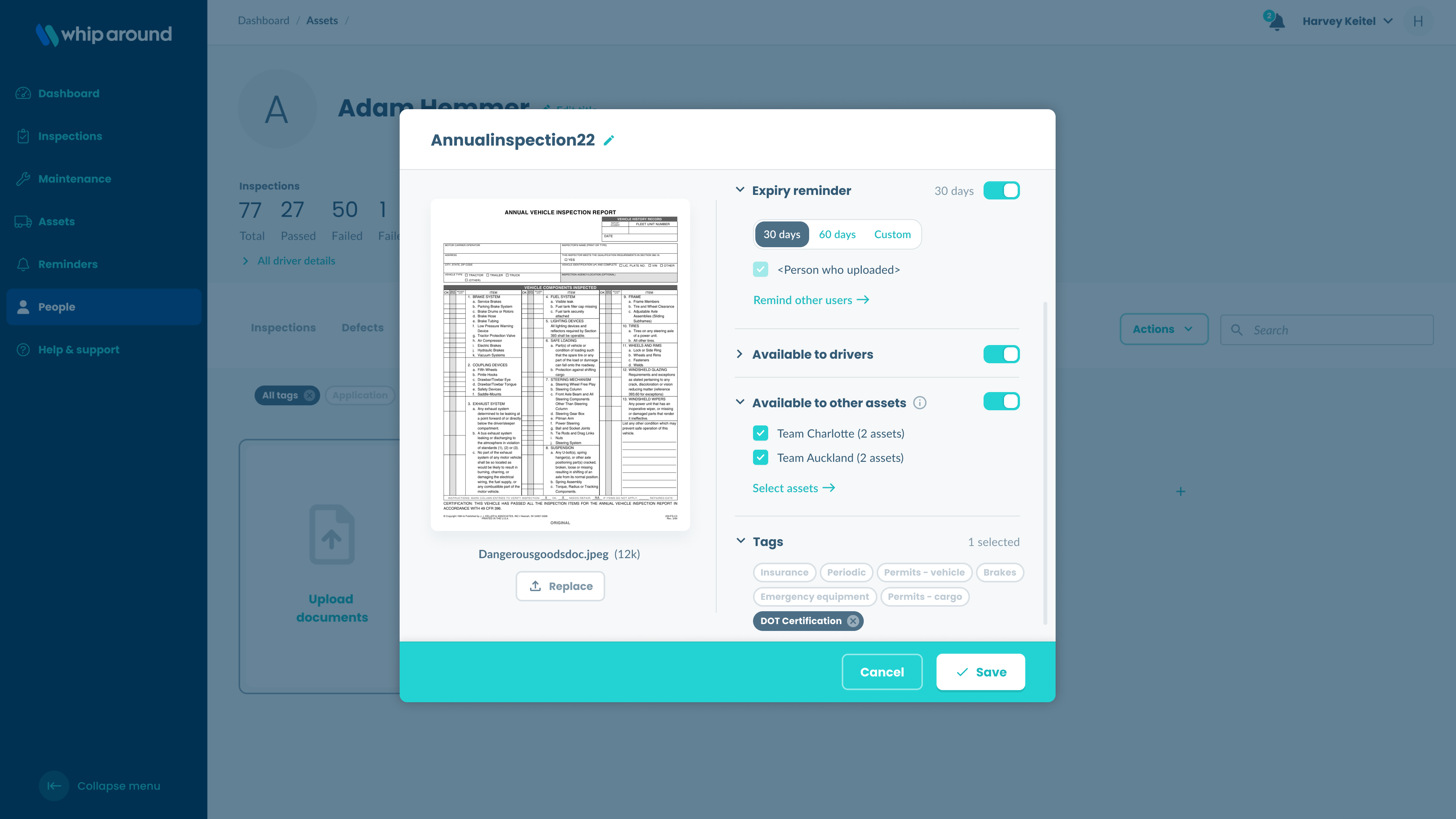
The flow was too time consuming. We had made the privacy and access functionality too expansive leading to a very time consuming process.
- Language
Some of the language created UX hurdles
- Adoption barriers
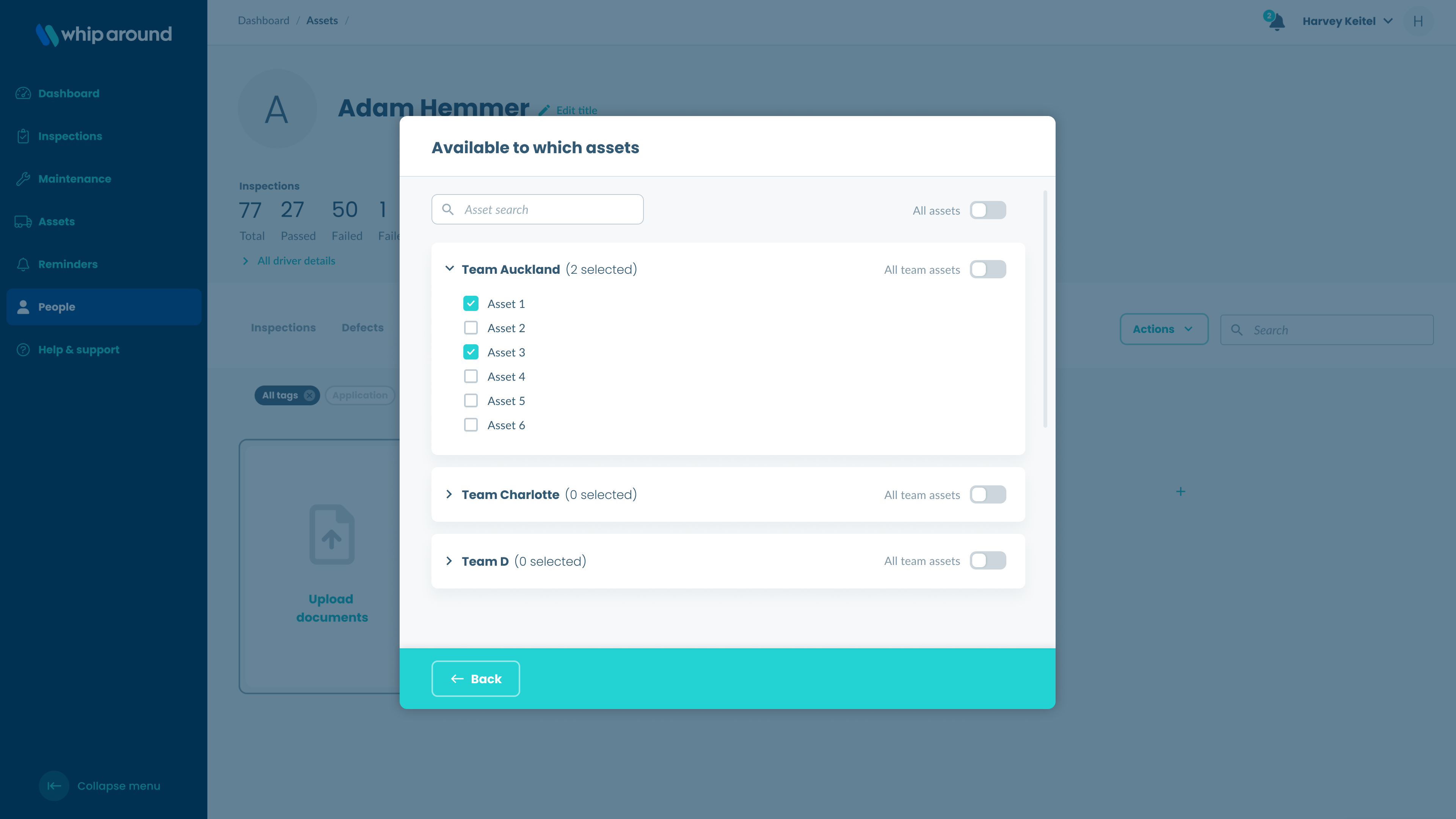
Some documents needed to be uploaded across multiple vehicles
Key changes from the testing
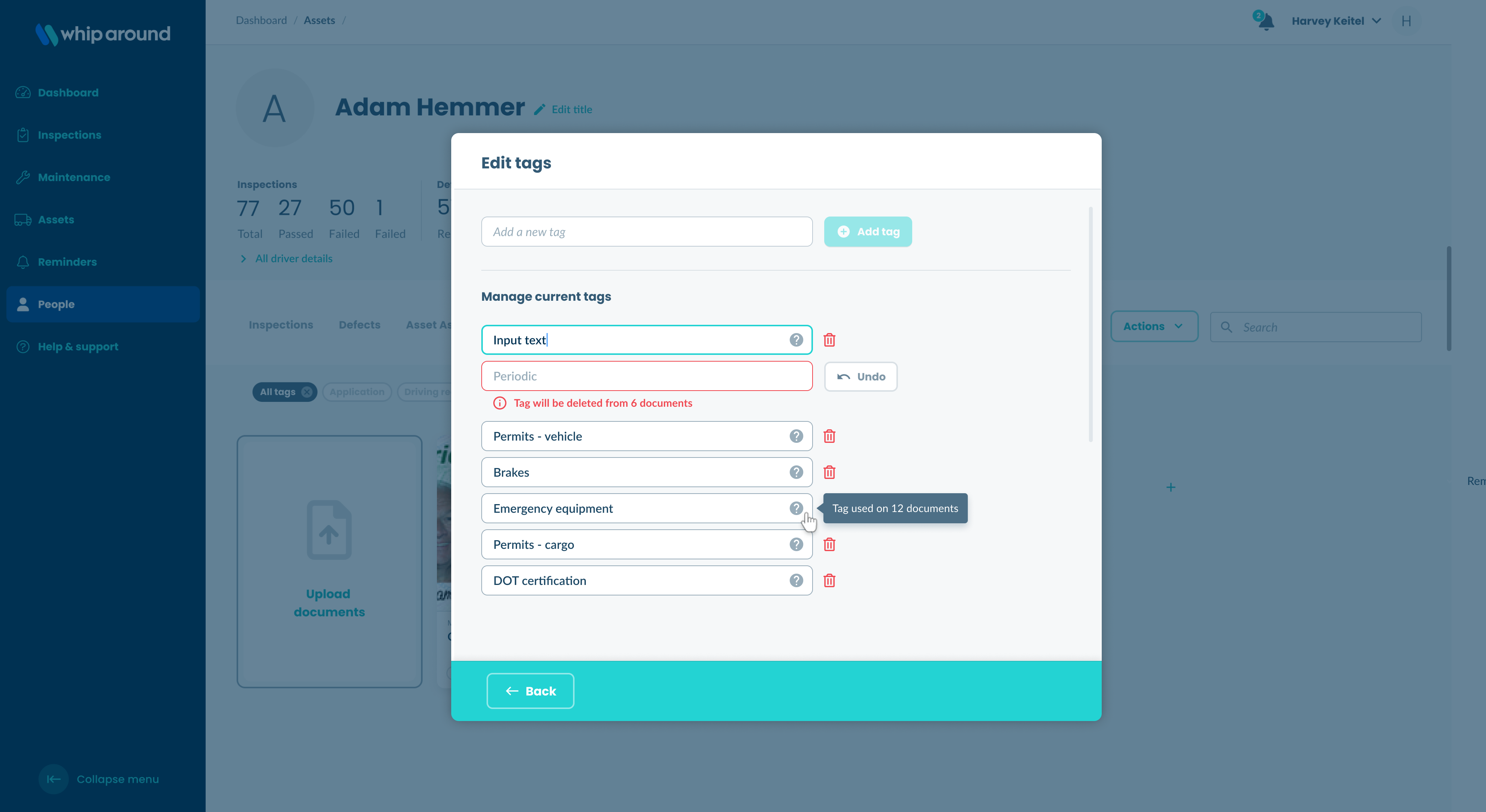
Instead of catering for every use case, we decided we needed to hide some functionality with progressive disclosure in order to simplify and speed up the experience.
Solution design
Native app
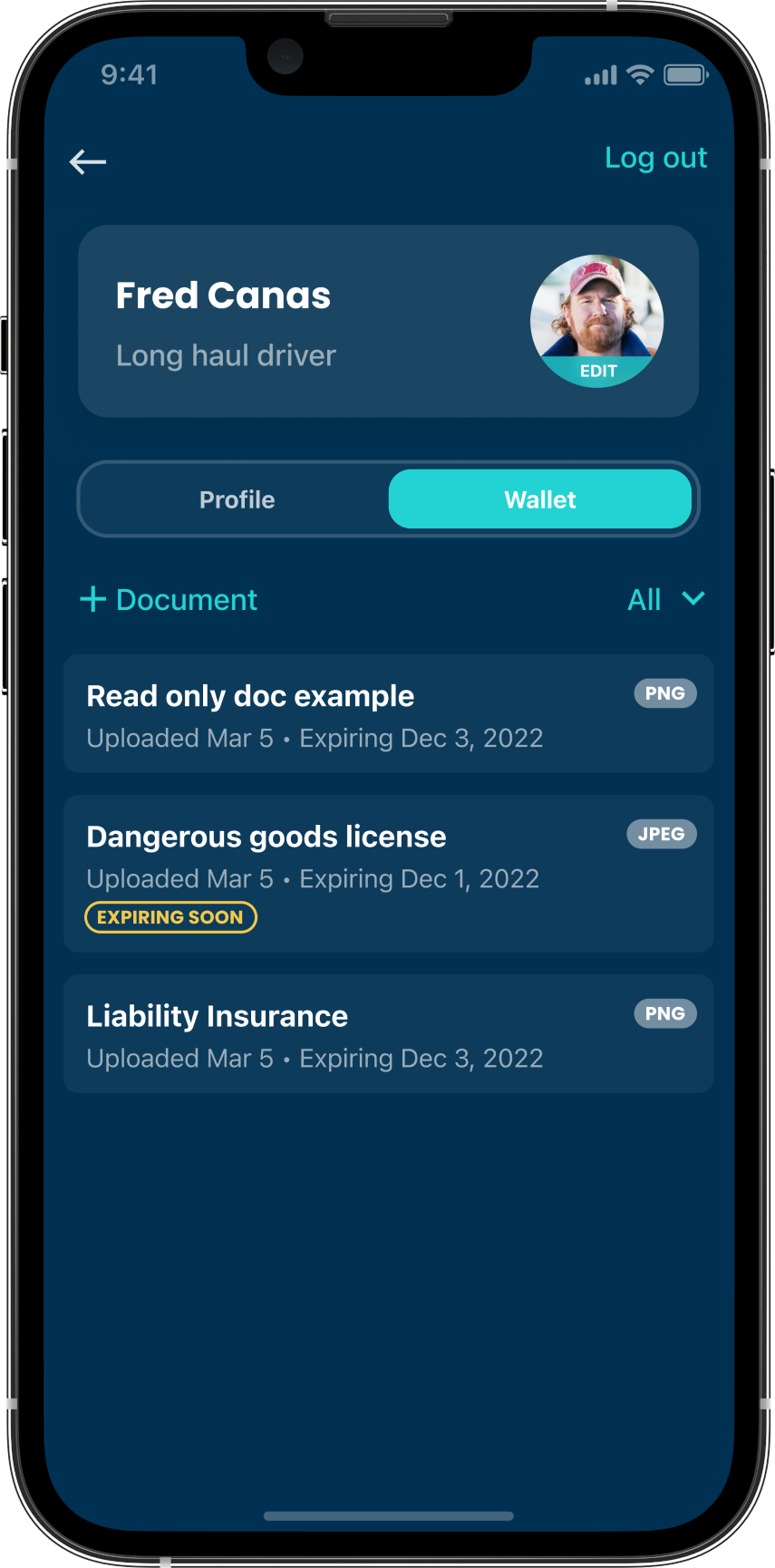
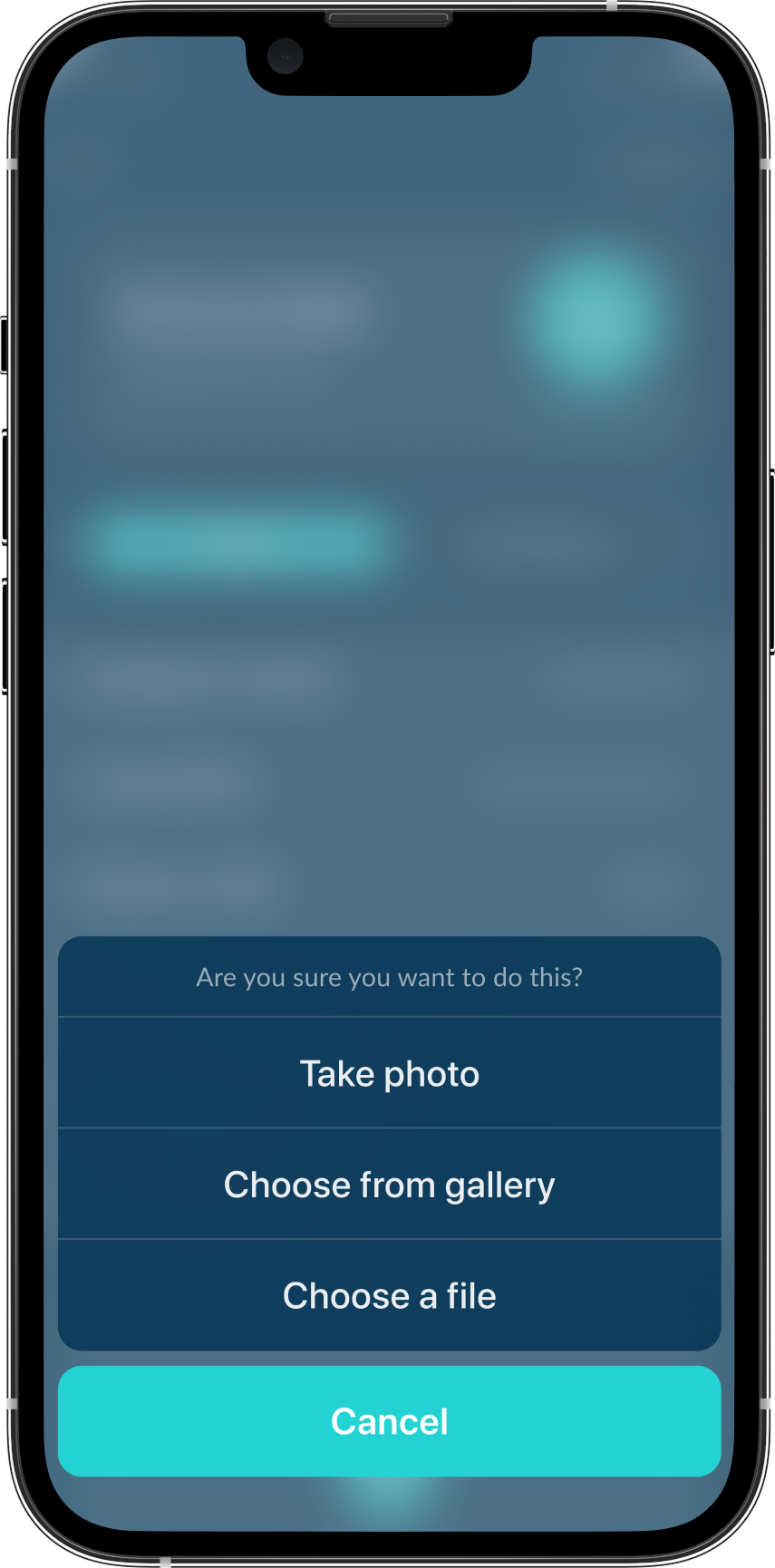
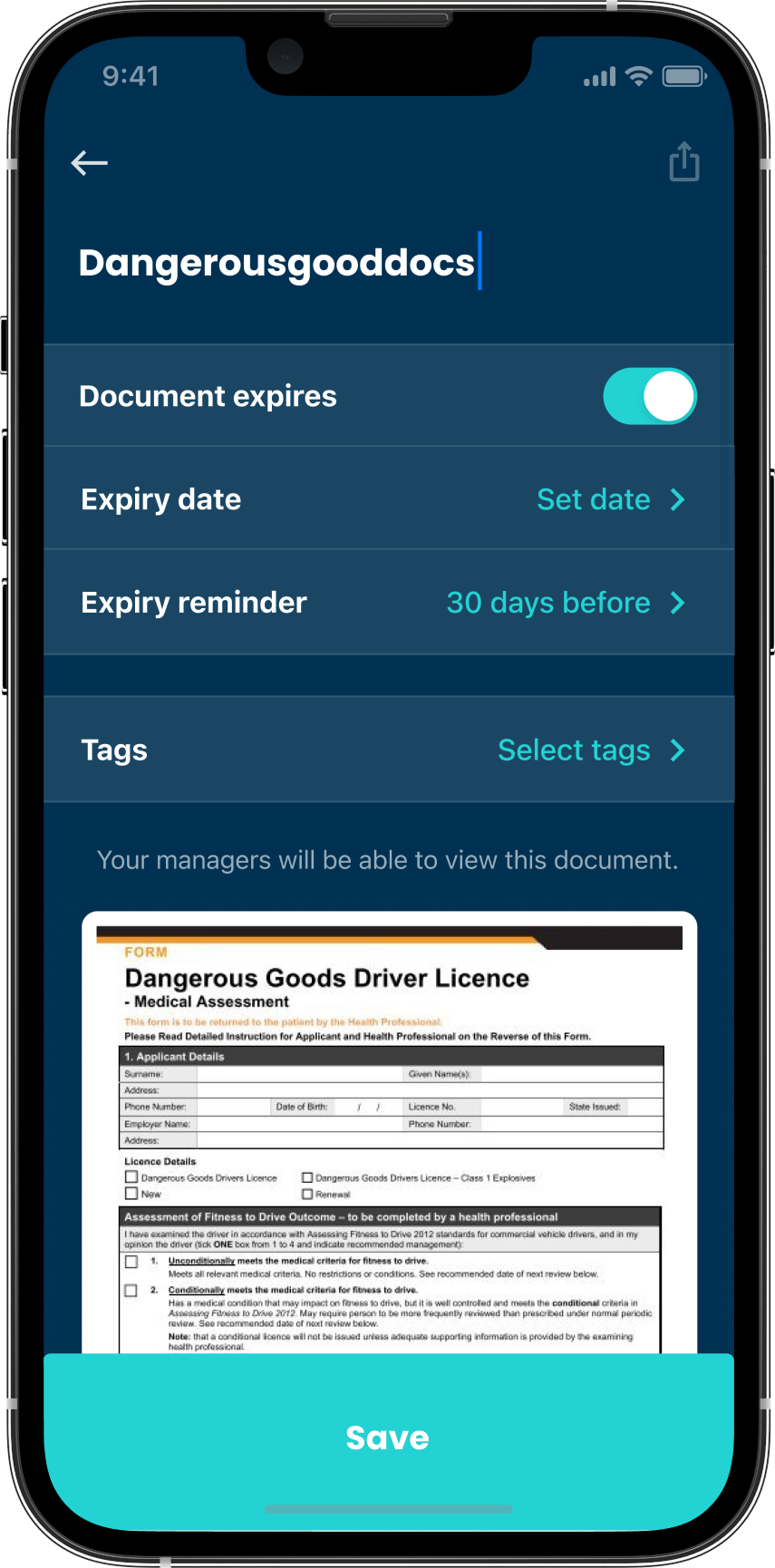
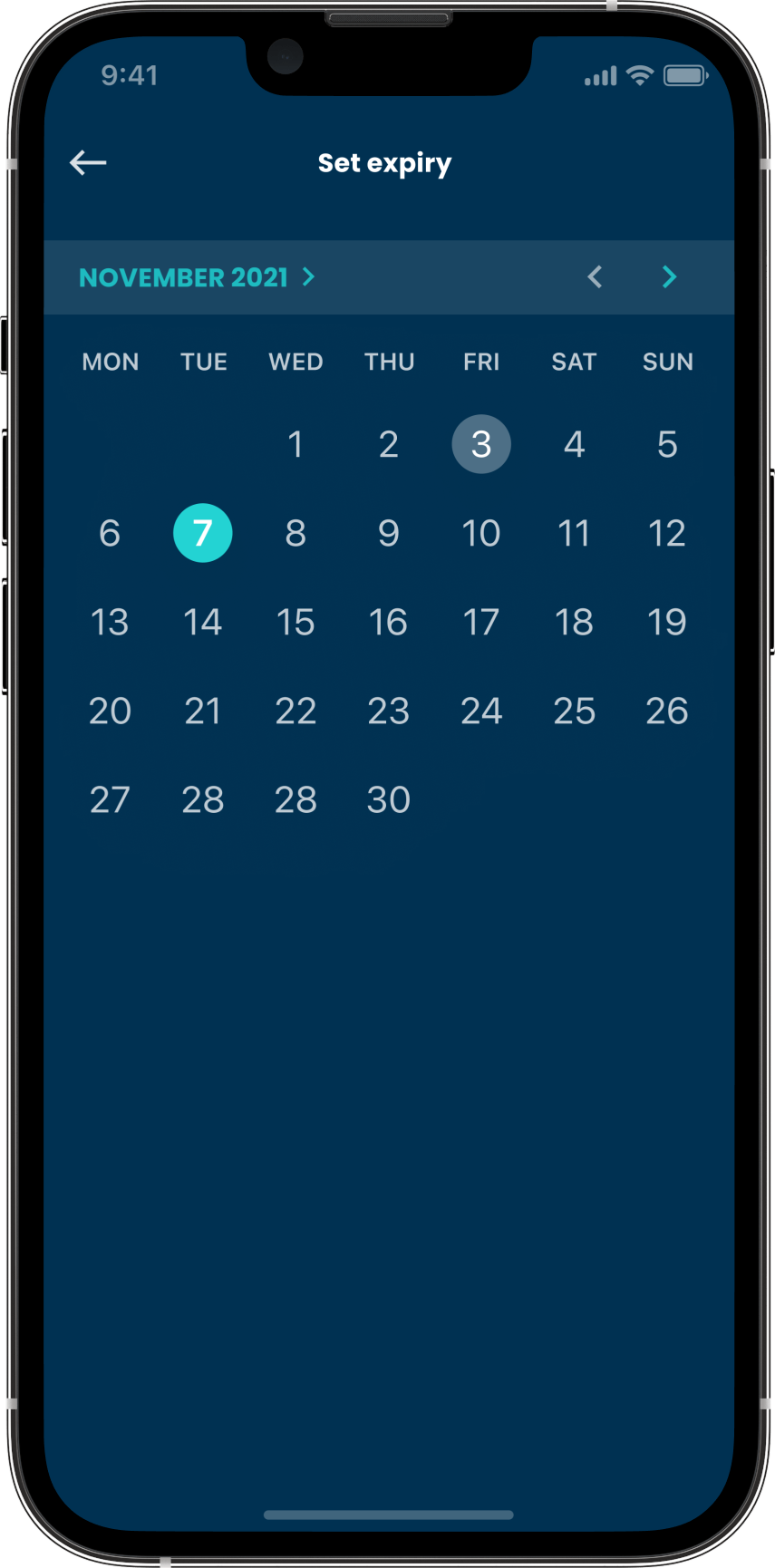

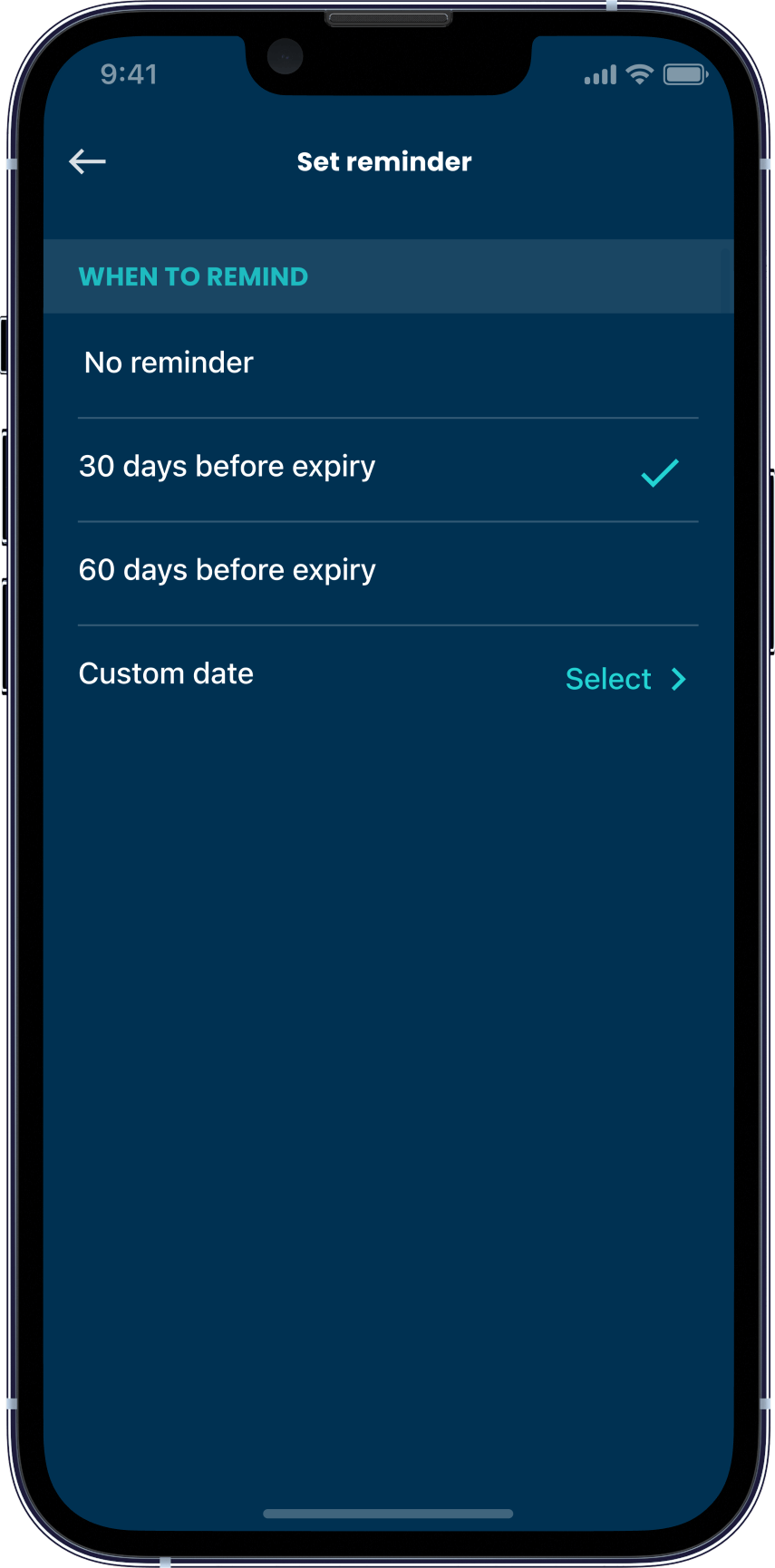
Responsive
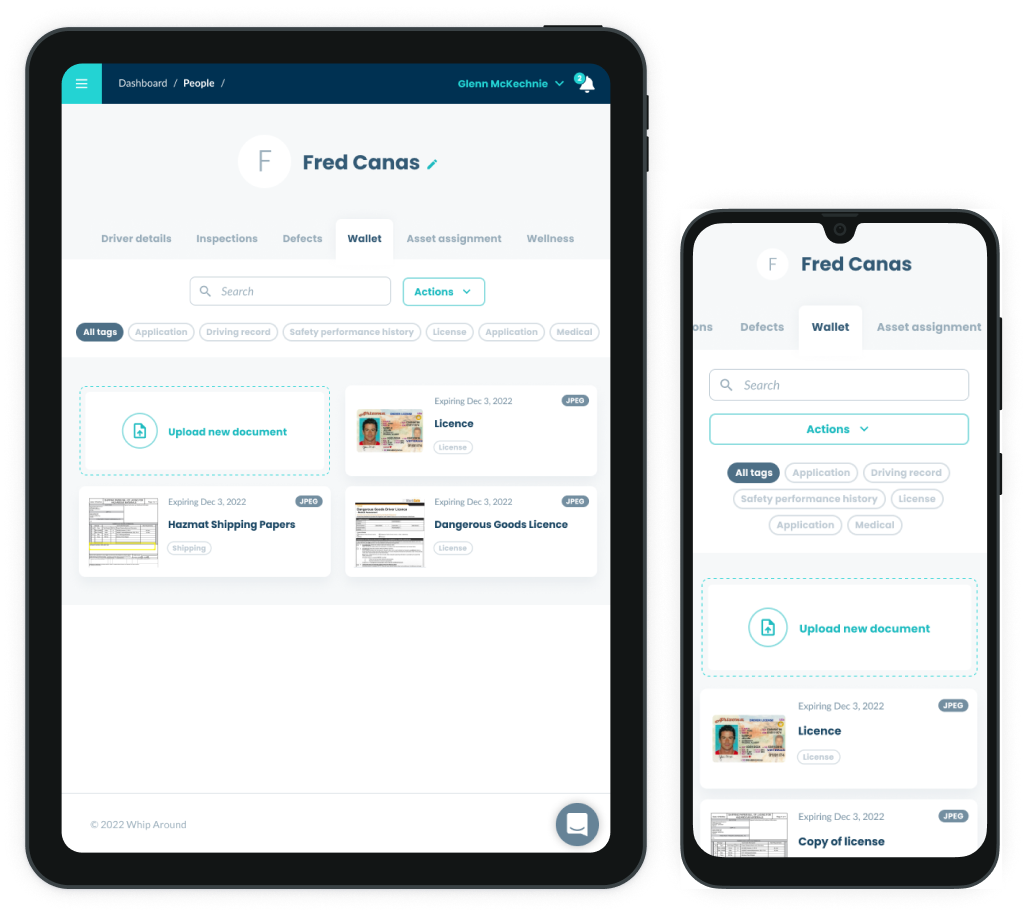
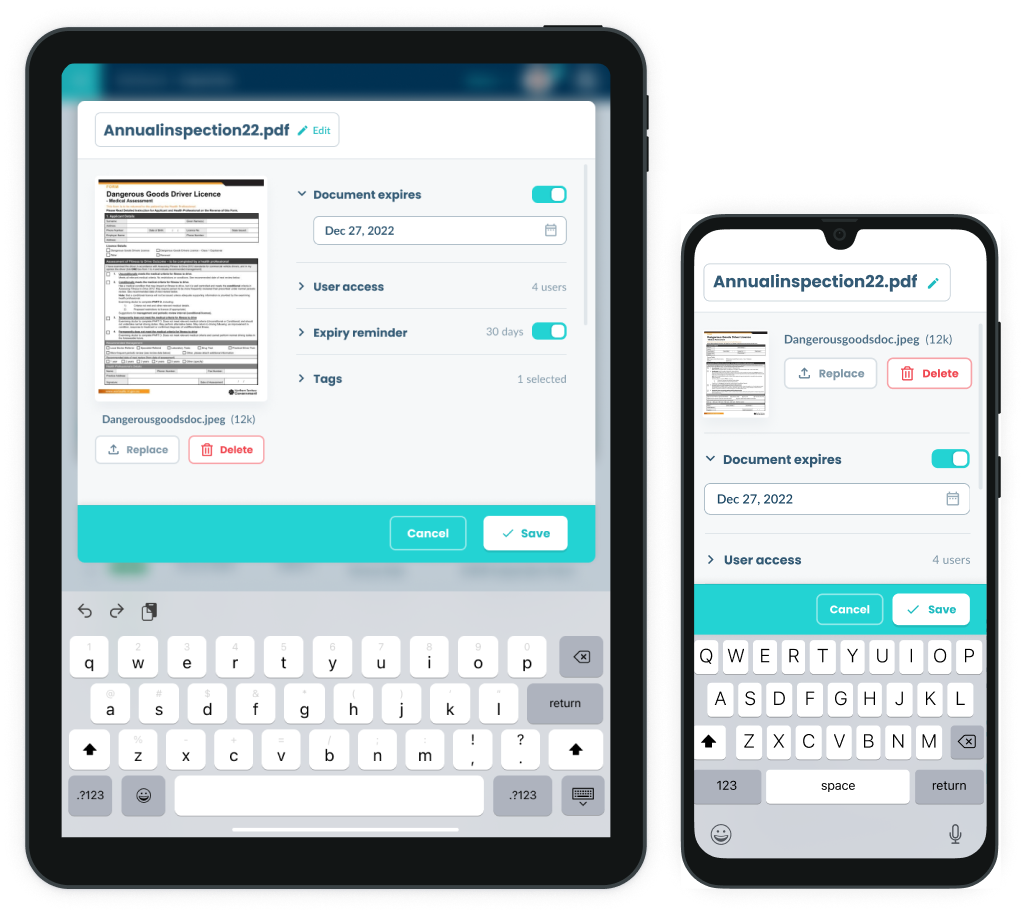
Web
Outcomes & Key Learnings
Impact
+ 7% revenue growth
+ Decrease in violations for fleets
Key Learnings
Agree on MVP with stakeholders before design starts
Initially as we set out to design we planned on building an MVP and scaling functionality from there. Due to the pressure of this being a paid feature the project team got a lot of pressure put on us to keep expanding functionality which lead to a complex user experience. Luckily we learned this during customer testing and were able to remedy it.
Don't loose sight of who you are designing for
Your solution design will never be perfect for everyone, embrace that and work towards achieving perfection for your target audience.